Traditional Eastern art forms blend form, decoration, and function within an integrated whole. Where better do beauty and function converge than in a hand-woven rug?
From the simple nomadic floor covering to the sophisticated silk carpets of the Safavid court, rugs have served as functional art pieces for centuries.
The craft of weaving has been passed down through generations, preserving ancient symbols, motifs, and techniques. At Noor Oriental Rugs, we are dedicated to celebrating this history and helping you understand the origin and pedigree of your unique piece.
How Rugs Are Woven
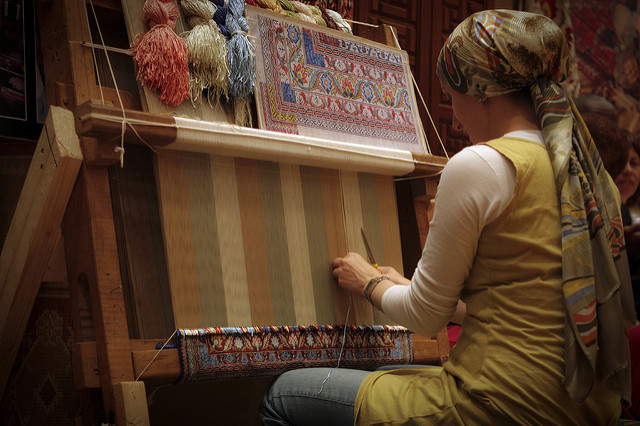
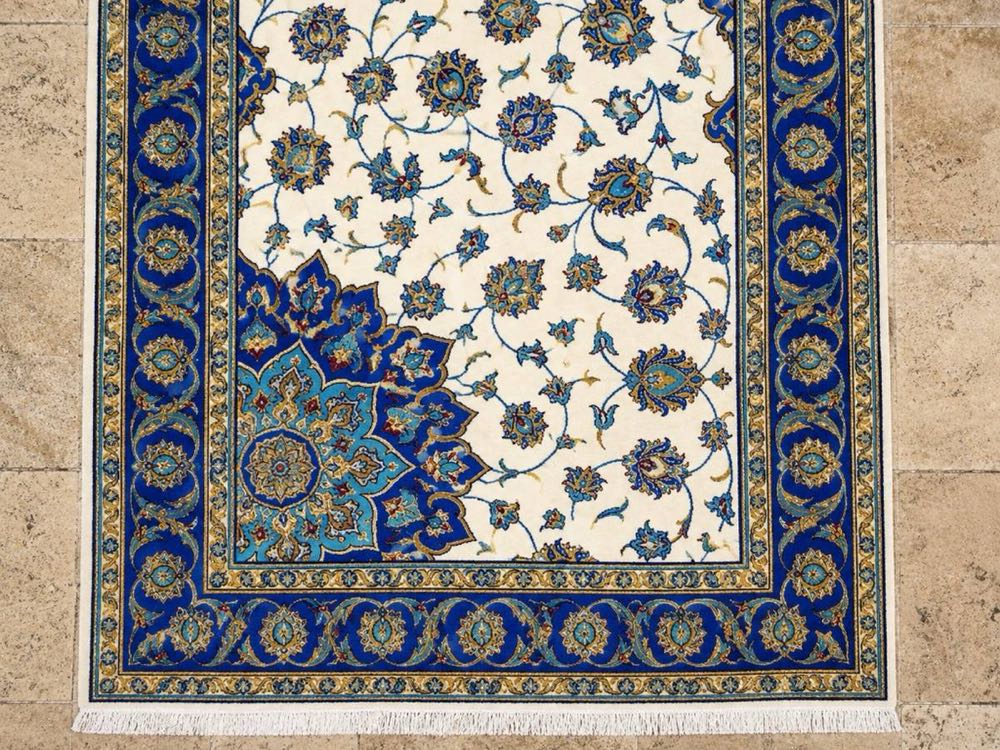
Rugs may be woven either in city workshops or by villagers or nomads who make rugs part-time for functional purposes. City carpets are characterized by highly symmetrical, pre-drawn patterns executed on vertical looms, often requiring months or years of meticulous work by teams of skilled weavers.
Nomadic and village carpets, on the other hand, are typically woven on horizontal, portable looms. These weavers draw patterns from memory or immediate natural surroundings. The irregularities and variations in their designs are not defects, but rather a reflection of the weaver's personal expressions and changing life conditions.
Wool from the Mountains
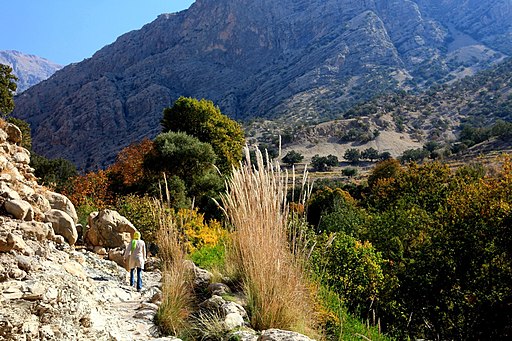
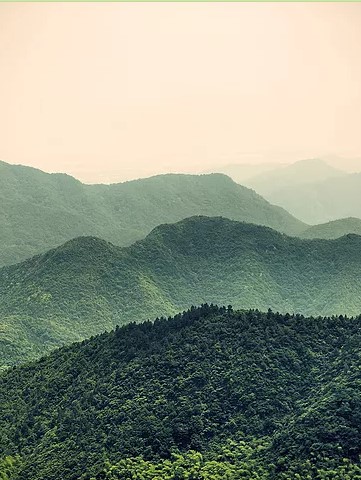
Geography and climate have played a paramount role in the development of rug types as we know them today. The highlands of the Zagros Mountains, spanning through Persia and Khuzestan, provide optimal conditions for raising sheep with exceptionally thick, resilient coats rich in lanolin.
This lanolin-rich highland wool yields fibers that are strong, naturally stain-resistant, and possess a natural luster when dyed. Using these regional wools ensures the rug outlives generations while growing softer and more beautiful over time.
Read more in Mountain Wool in Persian Rugs: how the fleece becomes yarn, kurk wool, and how to judge the wool in a rug.
Natural Dyes
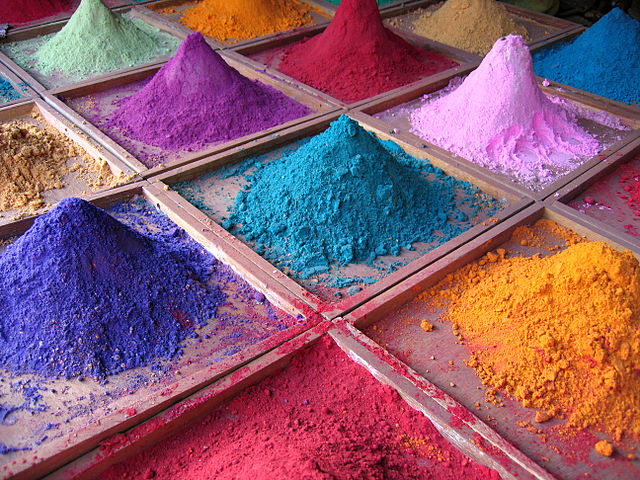
Dyeing is more art-form than science. Dyers occupy an elevated position in weaving societies and pass their secrets from generation to generation. They possess an intimate knowledge of local plants, minerals, and insects to produce natural, light-fast colors that age gracefully over decades.
Organic dyes react dynamically with wool, creating depth and warmth that synthetic colors cannot replicate. At Noor, we prioritize rugs made with these traditional dyes and source matching natural wool and dyes for all our restoration work.
How Rugs Are Classified
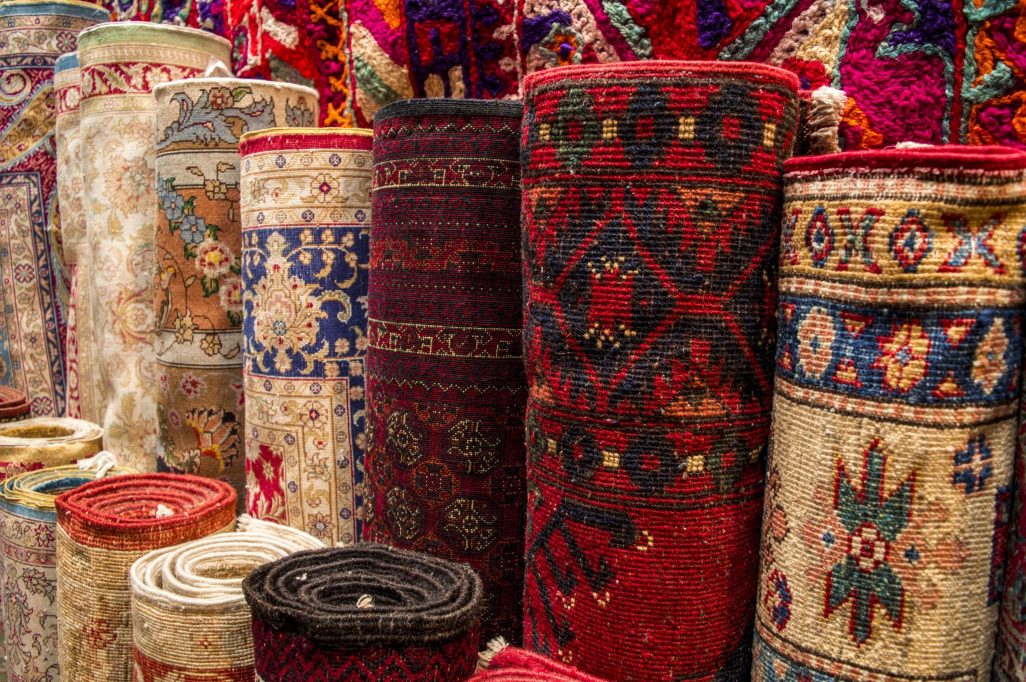
Rugs may be categorized according to various criteria including place of origin, weaving category, age, composition (wool, silk, or a blend), and design type. Place of origin is highly specific, often naming the exact town, province, or tribe (e.g., Isfahan, Tabriz, Heriz, Qashqai) where the weaving took place.
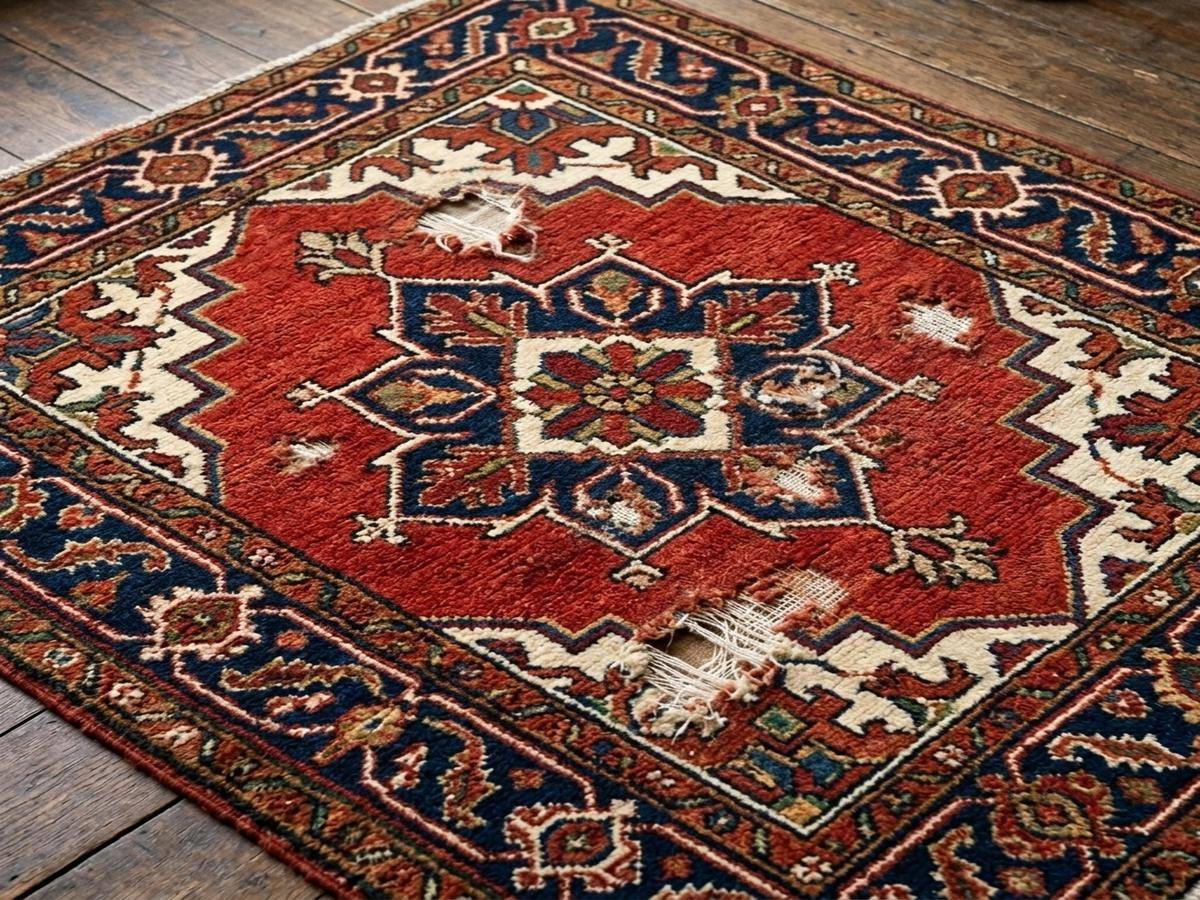
Age is typically classified as Antique (100+ years), Semi-Antique (50-90 years), or Modern. The classification of a rug is crucial for determining its care requirements, tax appraisal value, and historical context.
Authenticity
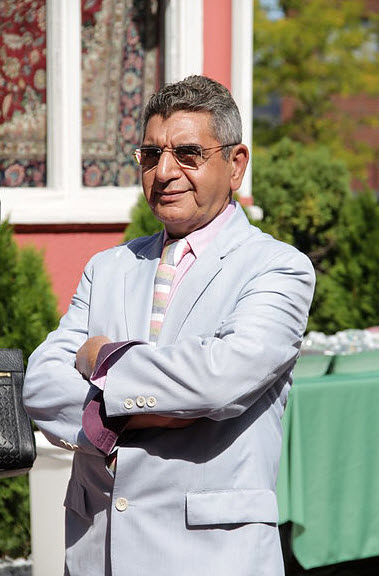
A few terms are employed to convey the degree of authenticity of a rug. Authentic rugs are hand-woven with at least three key components: handspun wool, organic vegetable dyes, and traditional hand-knotting methods characteristic of their region. These hand-knotted pieces represent genuine historical pedigree.
In contrast, machine-made rugs or those utilizing synthetic backing materials lack the longevity, breathability, and aesthetic value of handmade carpets. Mo Nooraee provides certified appraisals to document your rug's authenticity and historical value.
Rugs as Human Documents
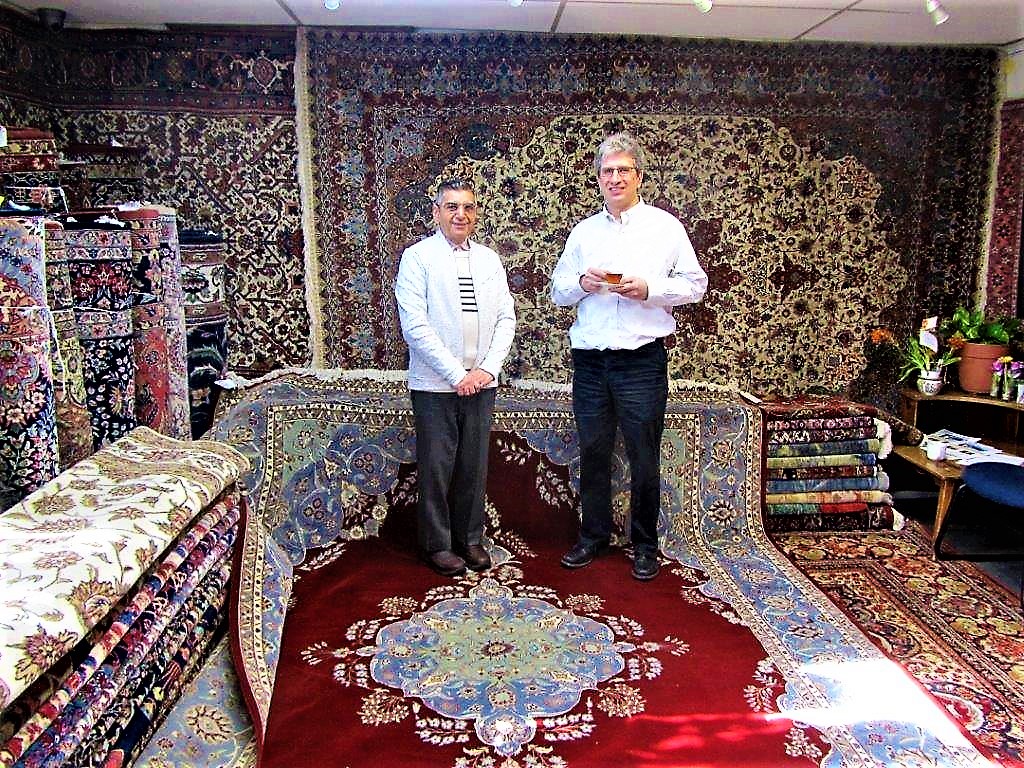
Every part of a rug tells a story. As we have seen, the wool and dye reveal much about the rug's place of origin; its mountains, water sources, local trees and flowers, and herds of sheep or goats. The design tells us a story about a tribe, a village, a family, about art and tradition passed from generation to generation. Just as no two hand-knotted rugs are exactly alike, so each rug is from the hand of an individual, a window into the unique soul of its weaver.
Some rugs reflect the weaver’s immediate environment or the natural setting of the weaver’s home or village or encampment. Other rugs display celestial inspiration: stars, suns, and moons. Some rugs have a clearly spiritual dimension represented by a tree of life or the ultimate aspiration: the garden of Paradise.
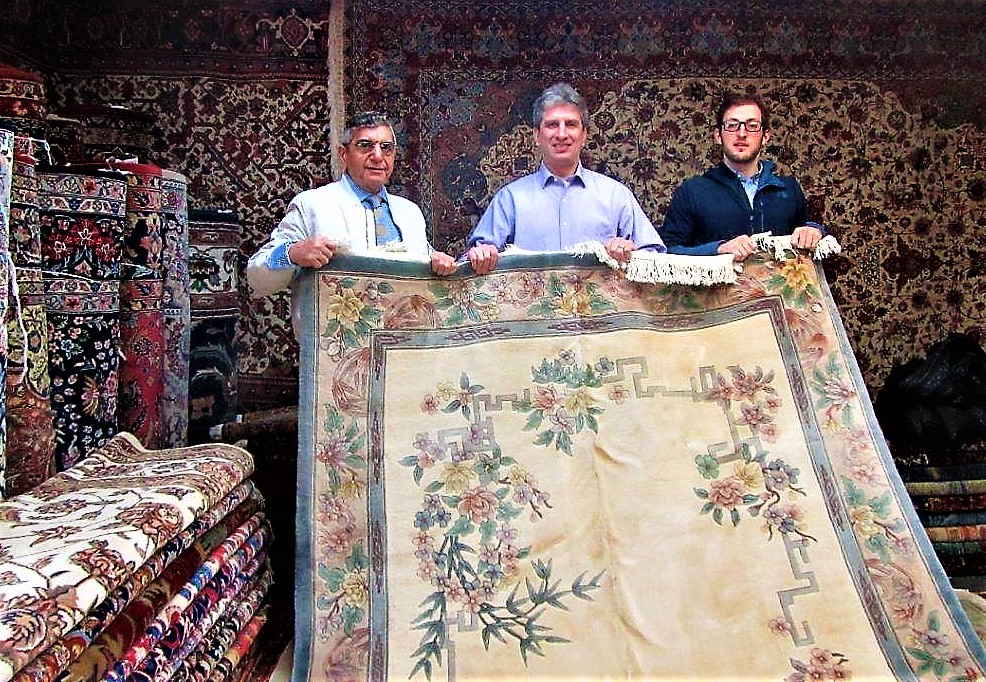
Let your own eyes, hands, feet and spirit experience the story and the joy of hand-made rugs. Mohammad Nooraee will be delighted to welcome you and be your guide.