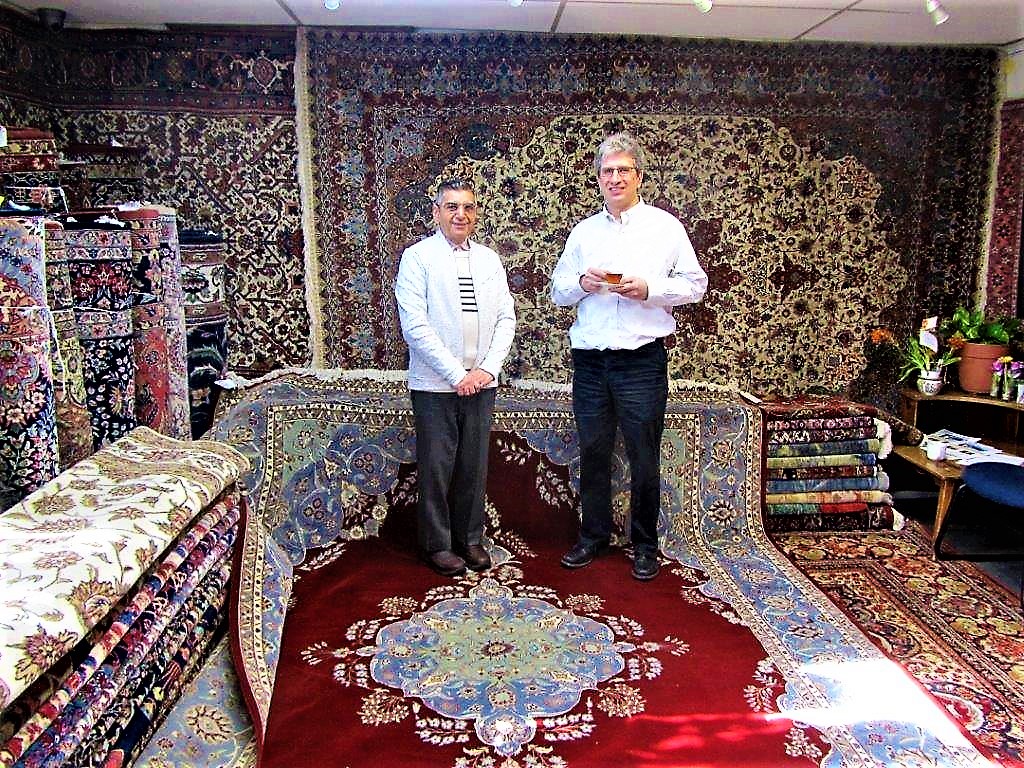
Rugs as Human Document
Every part of a rug tells a story. The wool and dye reveal its origin, water sources, local flora, and herds, reflecting a weaver's unique soul.
Read Article
Introduction
Traditional Eastern art forms blend form, decoration, and function within an integrated whole, converging beautifully in handmade rugs.
Read Article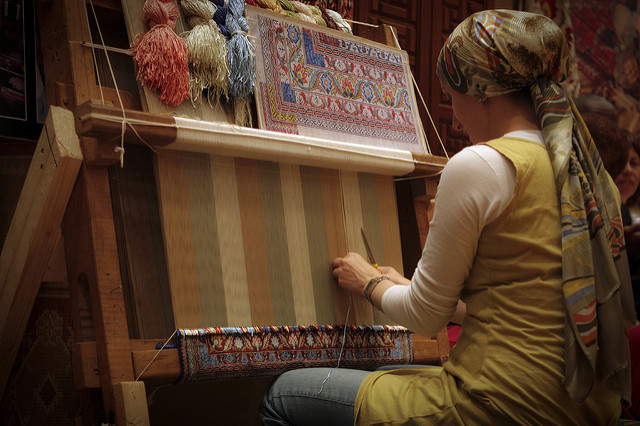
Weaving Rugs
Rugs are woven either in city workshops or by villagers and nomads who make rugs part-time for functional and artistic purposes.
Read Article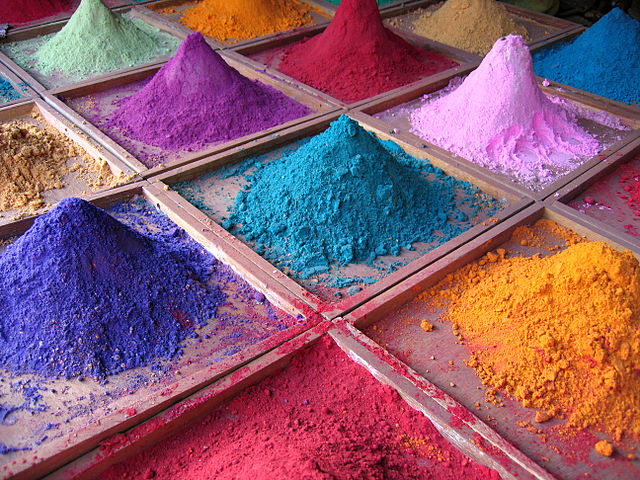
Dyes
Dyeing is more art-form than science. Master dyers occupy elevated positions in weaving societies, passing secrets down families.
Read Article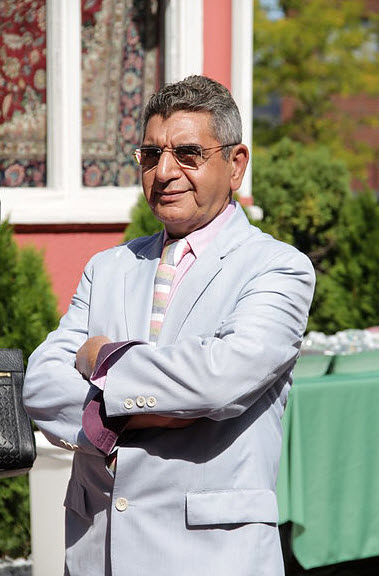
Authenticity
Authenticity is based on three key components: handspun wool, organic vegetable dyes, and traditional hand-knotting methods.
Read Article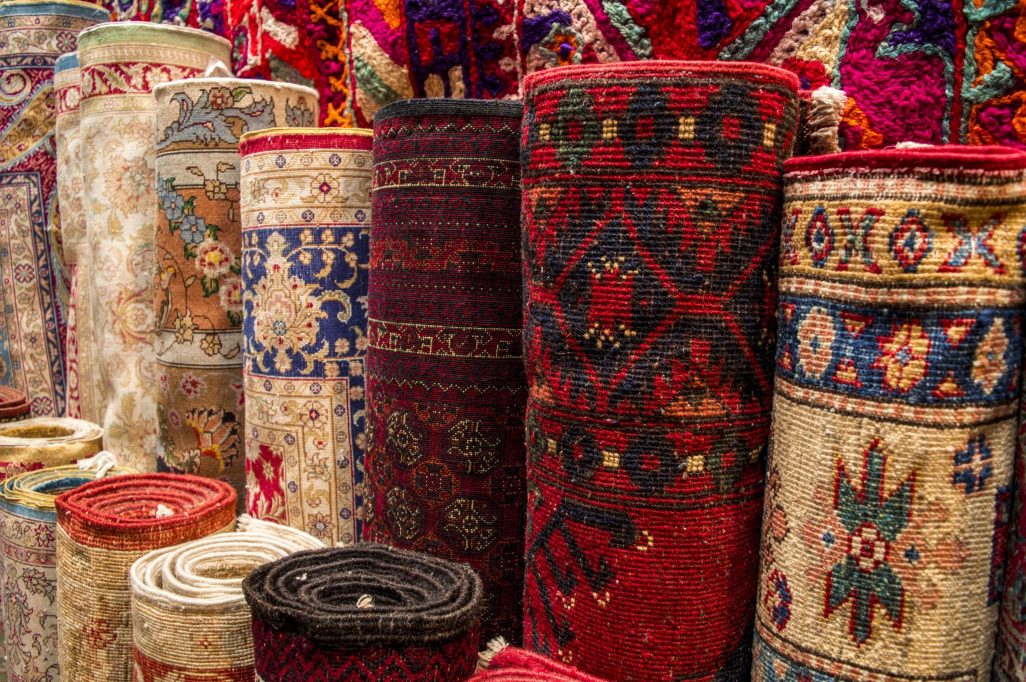
How Rugs are Classified
Rugs may be categorized according to various criteria including place of origin, weaving category, age, or composition.
Read Article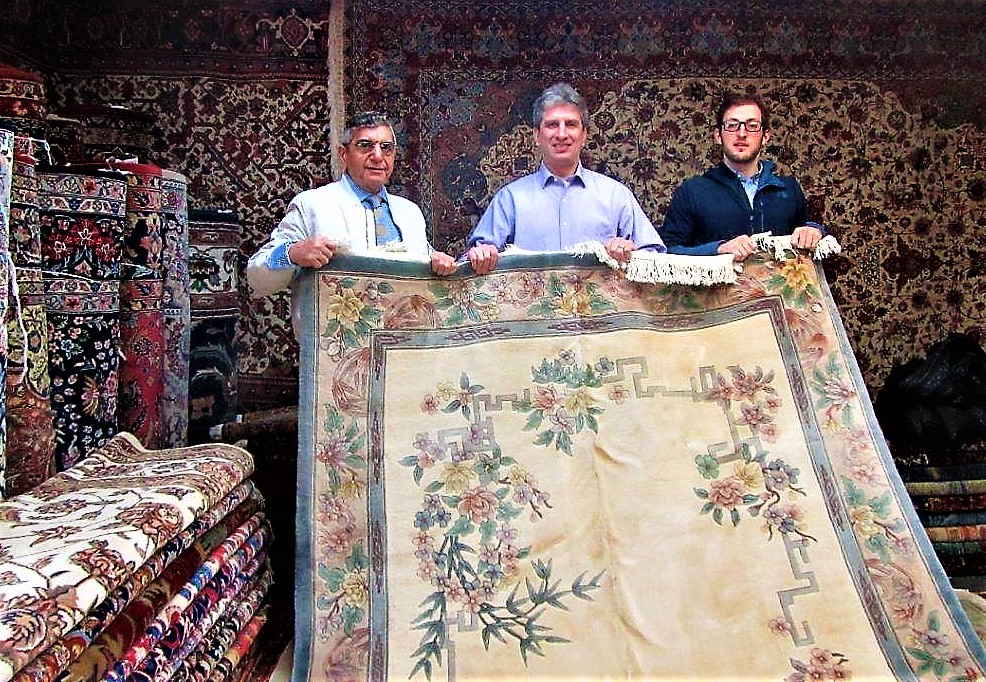
Beautiful “Flaws”
Variations in color, pattern symmetry, or knotting tightness are reminders of handcrafting, adding unique value to a rug.
Read Article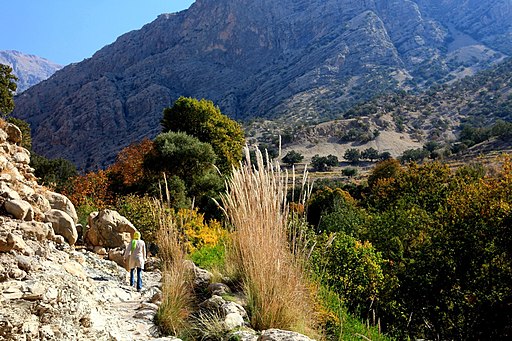
Wool from the Mountains
Geography and climate play a paramount role in rug wool quality. Explore the resilient highland wool of the Zagros Mountains.
Read Article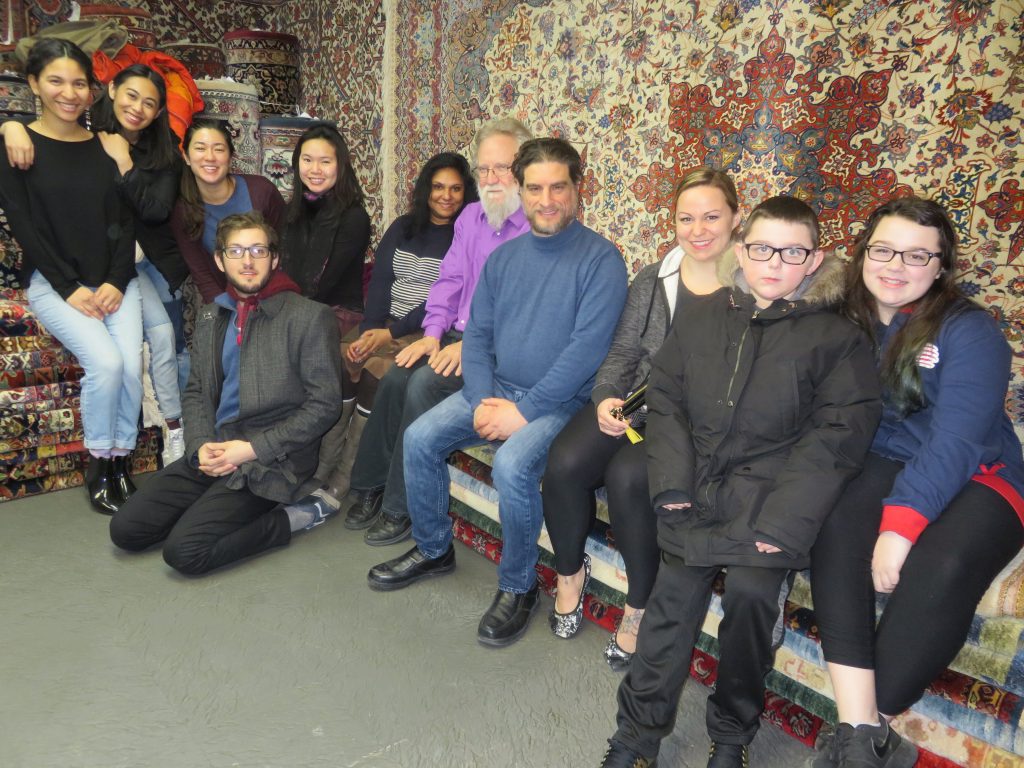
Donation of Rugs for Charitable Purposes
Learn how Noor Oriental Rugs coordinates rug donations to 501(c)(3) charities, directly supports families in need, and handles IRS Form 8283 and certified appraisals.
Read Article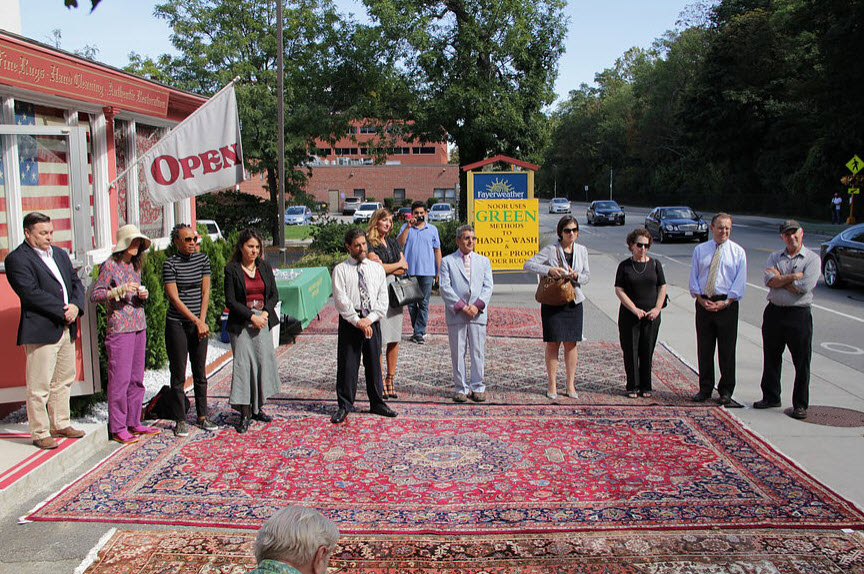
Donate Your Rugs: Why, How, and FAQs
Explore detailed answers about why donating unneeded rugs is a safer alternative to selling, how we handle appraisals, and what happens to your donation.
Read Article