The color of a handmade rug is not painted on. It is dyed into the wool itself, strand by strand, before a single knot is tied — and that is why dyeing is more art form than science. In weaving societies, dyers occupy an elevated position, and they pass their secrets from generation to generation. They possess an intimate knowledge of local plants, minerals, and insects, and they use that knowledge to produce natural, light-fast colors that age gracefully over decades.
Organic dyes react dynamically with wool, creating a depth and warmth that synthetic colors cannot replicate. At Noor, we prioritize rugs made with these traditional dyes, and we source matching natural wool and dyes for all our restoration work. Here is what goes into those colors, and how to recognize them.
1. Where the colors come from
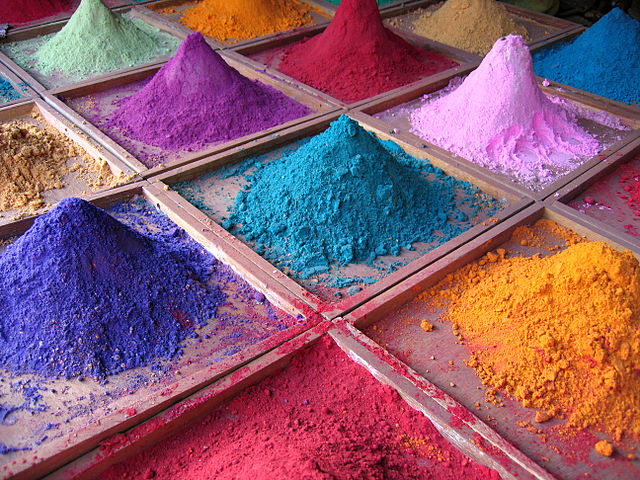
A traditional dyer works from the land around the weaving village. Almost every color in a classic Persian or Oriental rug comes from a plant, an insect, or a mineral — and each source has a character of its own.
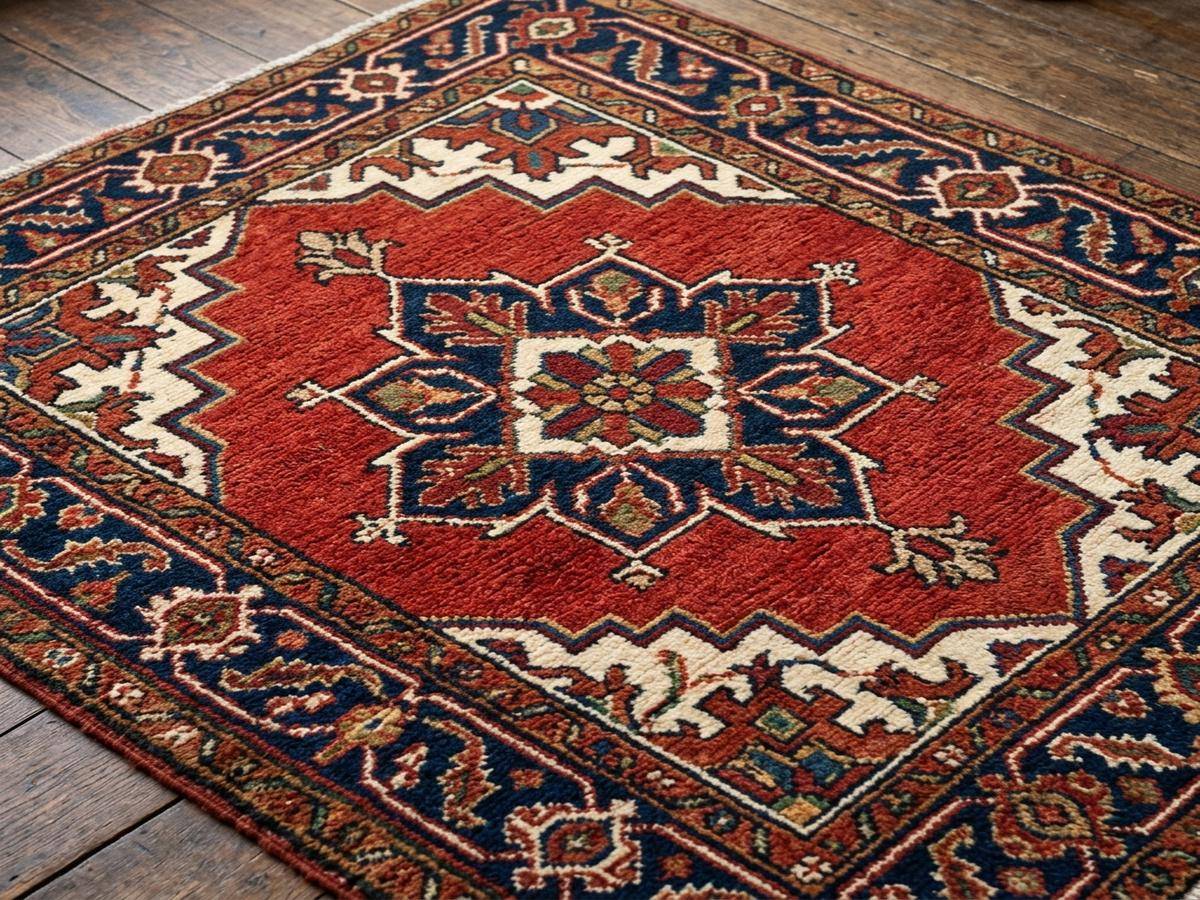
- Reds come most often from madder root, which gives the warm, deep reds of Heriz, Bijar, and many tribal rugs, and from cochineal, an insect dye that gives a cooler, brighter red.
- Blues come from indigo, the great blue dye of the rug world, made from the indigo plant. Layered dipping builds the color from pale blue to a deep midnight navy.
- Yellows and golds come from plants such as weld, saffron, pomegranate rind, and onion skin — each giving a different warmth, from pale straw to rich gold.
- Browns come from walnut husks and oak, and from undyed brown wool itself, which needs no dye at all.
- Greens are the hardest color to get from nature. Most traditional greens are not a single dye at all: the yarn is dyed yellow first, then dipped in indigo, and the two layers together make green.
No two batches are ever exactly alike. The same plant, picked in a different season or grown in different soil, gives a slightly different shade — and that variation is part of what makes a handmade rug feel alive.
2. The mordant: the part nobody sees
Dye alone does not stay in wool. Before or after dyeing, the yarn is treated with a mordant — a mineral salt, most often alum — that binds the color to the fiber. Without it, the color would wash out; with it, the color holds for generations.
The mordant does more than fix the dye: it changes the color itself. The same dye bath can give a golden yellow with one mordant and a copper tone with another, and a touch of iron can deepen a color toward grey or black. A master dyer chooses the mordant the way a cook chooses seasoning — by feel, by experience, and by what the rug needs.
3. Abrash: the variation that proves the hand
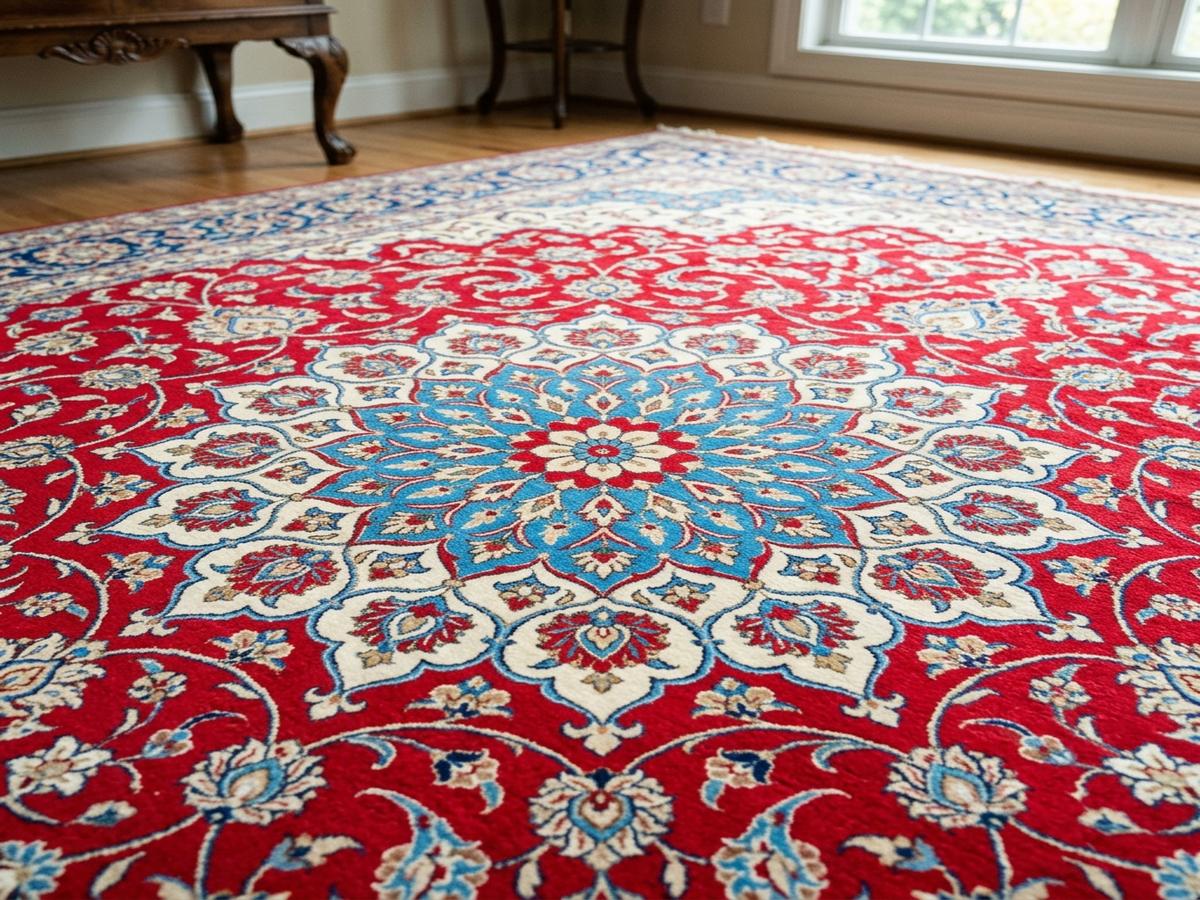
Look closely at a large field of color in an old handmade rug and you will often see gentle shifts of shade within a single hue — one patch slightly lighter, the next slightly deeper. That is abrash, and it comes from dyeing wool in small batches: each batch of dye differs a little from the last, and the weaver knots those batches side by side.
Abrash is not a flaw. It is one of the clearest signs that a rug was dyed and woven by hand, because a machine-made rug cannot copy it — its color is flat and perfectly even from end to end. A rug with soft abrash has a warmth and movement that a uniform surface never has, and collectors value it for exactly that reason.
4. How natural dyes age
Natural dyes are light-fast and age gracefully over decades, and that is the heart of the matter. A good natural dye does not fade to grey or wash out in patches. It mellows. Reds soften into a warm rust, blues deepen, and the whole rug takes on a patina — a gentle, lived-in glow that no new rug has and no synthetic dye can imitate.
That is also why age is so visible in a rug's color. A rug dyed with synthetic colors often looks harsh when new and then fades unevenly, sometimes turning a strange shade in sunlight. A naturally dyed rug changes slowly and evenly, the way good wood or leather does.
One honest caveat: color alone cannot always prove a dye is natural. Indigo is the clearest example — the natural dye and the synthetic version are the same chemical, so a blue cannot be judged by chemistry alone. Judging dyes takes an experienced eye, looking at the color, the abrash, the wool, and the rug as a whole.
5. Dyes in restoration: matching what is already there
Dyes matter most when a rug needs repair. A patch woven with the wrong dye will stand out, however good the knotting is — the new wool will be too bright, too flat, or the wrong shade entirely, and the repair will be visible from across the room.
That is why our restoration work starts with the dye, not the knot. We source matching natural wool and dyes for every repair, using wool from the same region where the rug was woven, hand-spun and organically dyed, with different shades of the same dye spun together so the repaired area blends with the rest of the rug. It is slower and more expensive than using a modern synthetic match, and it is the only way the repair disappears.
6. Caring for naturally dyed color
Natural dyes are durable, but they still deserve gentle treatment. Keep a rug out of harsh, direct sun for long stretches, vacuum it without a beater bar on the pile, and have it washed by hand with mild, dye-safe methods rather than with harsh chemicals or steam cleaning. If a rug ever needs cleaning, tell the cleaner it is naturally dyed — a good cleaner will test the colors first and wash accordingly. If colors have already run or faded, see why rug colors run or fade.
See it for yourself
The surest way to learn natural dyes is to see them side by side: a madder red next to a synthetic red, a rug with soft abrash next to one with flat, even color. Bring a rug you already own, or come and compare ours in the showroom. We are at 769 Concord Ave in Cambridge, open Tuesday, Wednesday, Friday and Saturday, 8:00 AM to 3:00 PM, and a free rug evaluation is always available if you would like an expert eye on a rug before you buy or before you decide to clean or restore it.