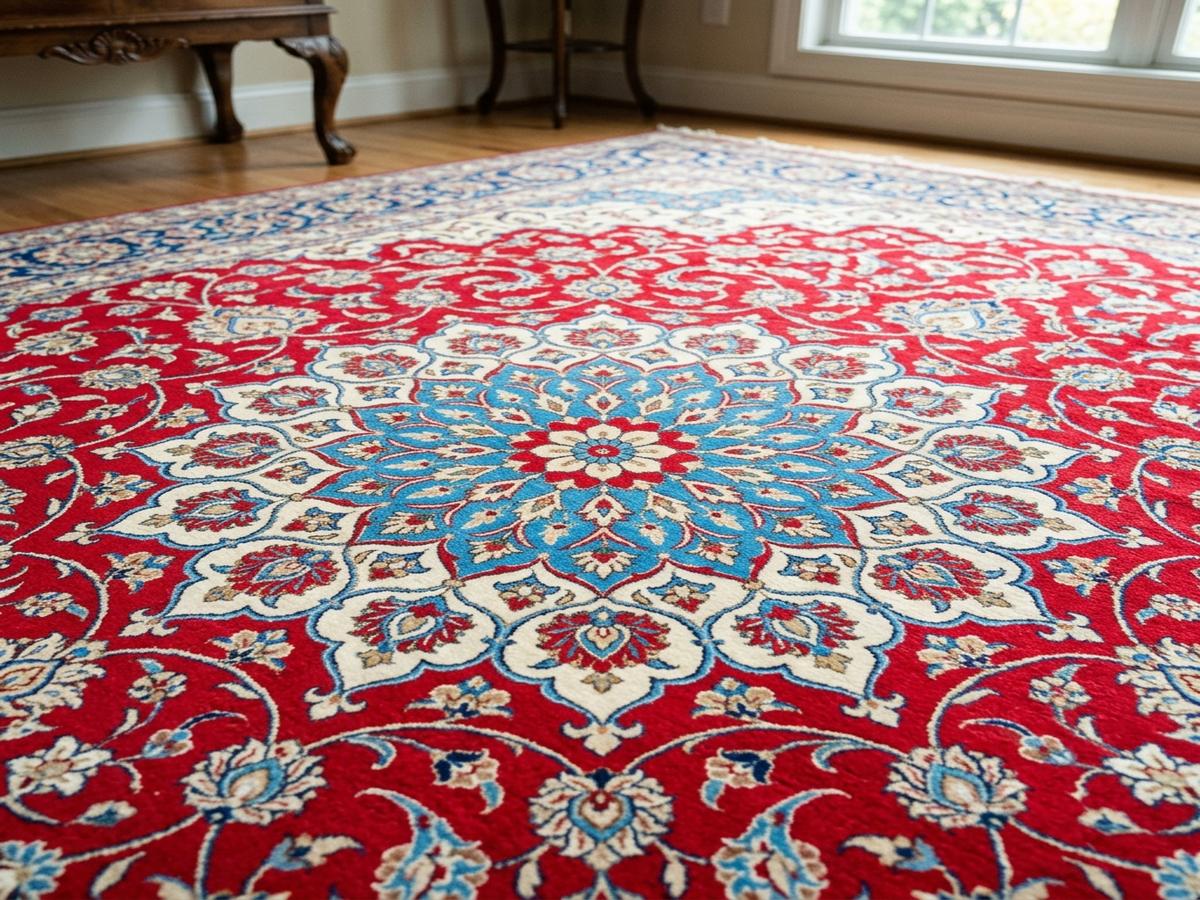
A fine Persian or Oriental rug can be one of the most valuable things in a home, and one of the easiest to overlook when it comes to insurance. It lies on the floor, it is walked on every day, and it rarely appears on the list of valuables next to jewelry or art. Yet a good antique or handmade rug can be worth far more than a standard homeowner's policy assumes. If it were damaged in a flood, lost in a fire or stolen, you would need to show what it was and what it was worth.
This guide explains why a valuable rug deserves its own place in your insurance, what a written appraisal records, and the simple steps that protect you before anything goes wrong.
Why your homeowner's policy may not be enough
Many homeowner's and renter's policies cover household contents in general terms. A fine rug may be treated like any other furnishing, and some policies set limits on how much they will pay for certain kinds of valuables unless those items are listed separately. If you have never told your insurer about a valuable rug, it is worth asking how it is covered. Policies differ, so check yours with your insurer or agent.
Even where a rug is covered, the question after a loss is always the same: what was it, and what was it worth? Without a record, that can be hard to prove, especially for a handmade rug, where two rugs that look similar from across a room can differ greatly in value.
What an insurance appraisal does
A written appraisal documents what the rug is and what it is worth, so it can be insured properly and so you have a record if it is ever damaged, lost or stolen. Many insurers ask for a written appraisal before they cover a valuable rug.
At Noor, appraisals are prepared by Mohammad "Mo" Nooraee, a member of the New England Appraisers Association. The appraisal document includes all the detailed specifications of the rug and its estimated monetary value: its origin, age, weaving style, dimensions, materials and condition, the details that establish what the rug is and that its value depends on. It usually takes 1 to 2 weeks to issue the final document. Read more about our certified rug appraisals.
What makes a rug worth insuring separately
You do not need to appraise every rug in the house. Consider an appraisal for a rug that is:
- Antique or old. Age is of high value in a handmade rug, and good antique rugs are scarce.
- Finely knotted or made with silk, from a well-known weaving center such as Tabriz, Kashan, Isfahan or Nain.
- Large. A room-size handmade rug represents many months of a weaver's work.
- Inherited, with no record of what it is. Our guide to inherited estate rugs explains what to do first.
- Recently bought for a significant amount. Keep the receipt and the certificate of authenticity with your policy.
If you are not sure what you have, our article on how to tell an authentic handmade rug covers the checks you can make yourself, and our guide to Persian and Oriental rugs explains how rugs are classified.
How often to update an appraisal
Values change over time, as the market for particular rugs rises or falls and as a rug ages. It is sensible to have a valuable rug appraised again every few years, and after any major change in its condition, such as a restoration.
Steps to protect yourself today
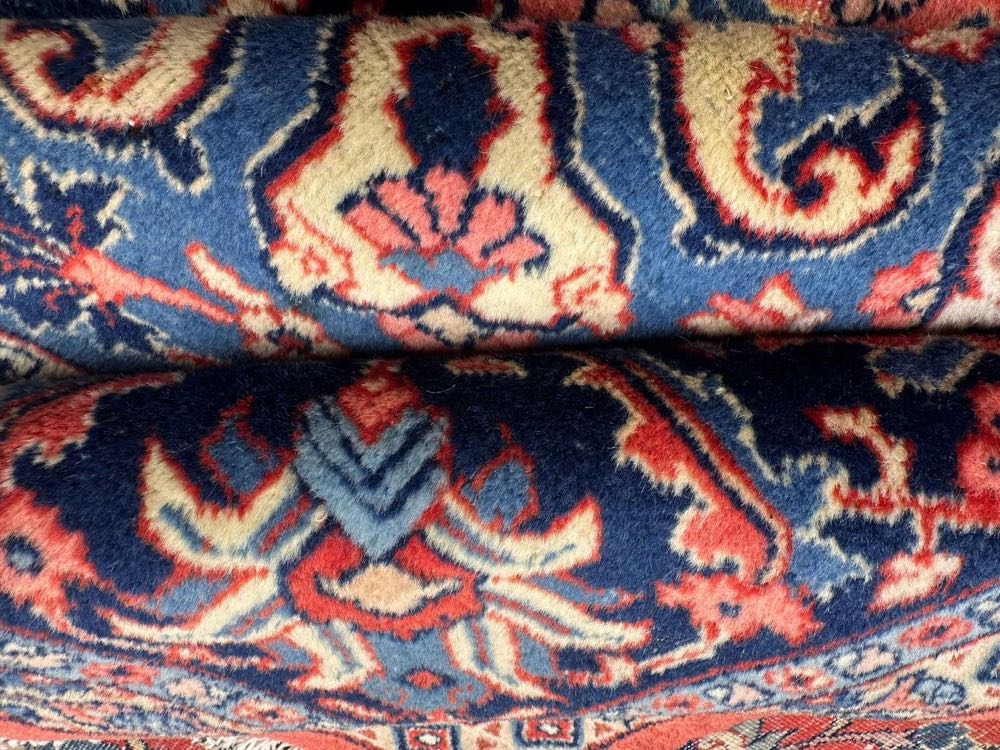
- Photograph each valuable rug: the whole front, taken from above in good light; the back, close enough to see the knots; and close-ups of the corners, the fringe and any distinctive details.
- Measure it, length and width without the fringe.
- Gather what you know: where and when it was bought, the receipt, any certificate of authenticity, and how it came into the family.
- Get a written appraisal for rugs of significant value, and keep a copy with your policy and the photographs, somewhere other than the house.
- Ask your insurer how the rug is covered, and whether it should be listed separately.
If your rug has already been damaged
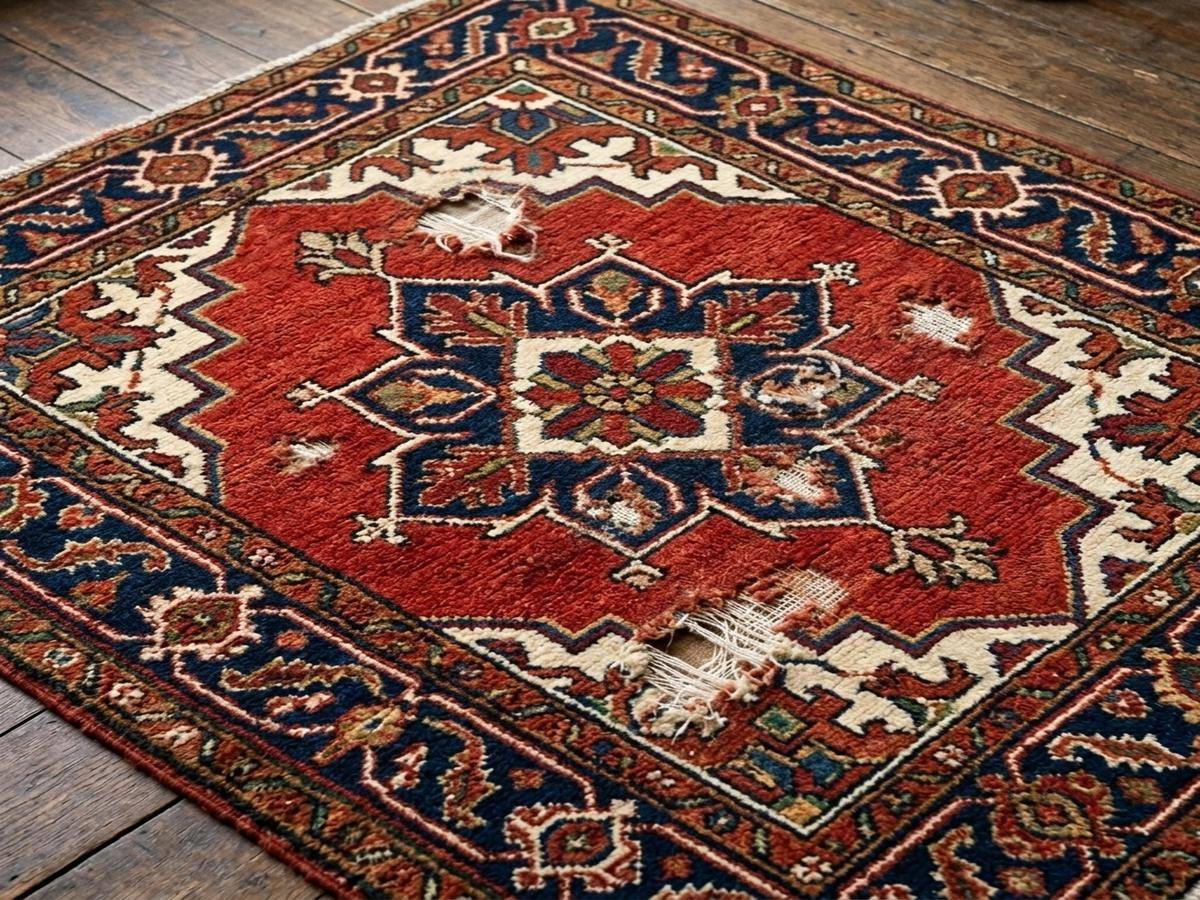
If a rug has been damaged by water, fire, smoke or pets, an appraisal can document its condition and value for a claim. Do not throw a damaged rug away before it has been assessed: many problems can be repaired, and the rug itself is part of the evidence. Water damage in particular needs prompt attention, because dyes can run and a wet foundation can develop mildew. See our Persian rug cleaning and restoration and repair services, and our restoration gallery for a rug restored after water damage.
Frequently Asked Questions
Do I need an appraisal to insure a valuable rug?
Many insurers ask for a written appraisal before they cover a valuable rug, and it gives you a record of what the rug is and what it is worth if it is ever damaged, lost or stolen. Check your own policy with your insurer.
What does a rug insurance appraisal include?
The appraisal document includes the rug's detailed specifications (origin, age, weaving style, dimensions, materials and condition) and its estimated monetary value.
How long does a rug appraisal take?
It usually takes 1 to 2 weeks for us to issue the final appraisal document.
How often should a rug be re-appraised?
Values change over time, so it is sensible to have a valuable rug appraised again every few years, and after a major change in its condition, such as a restoration.
Can you appraise a rug that has been damaged?
Yes. An appraisal can document a damaged rug's condition and value for an insurance claim. Send us photos and measurements to get started.