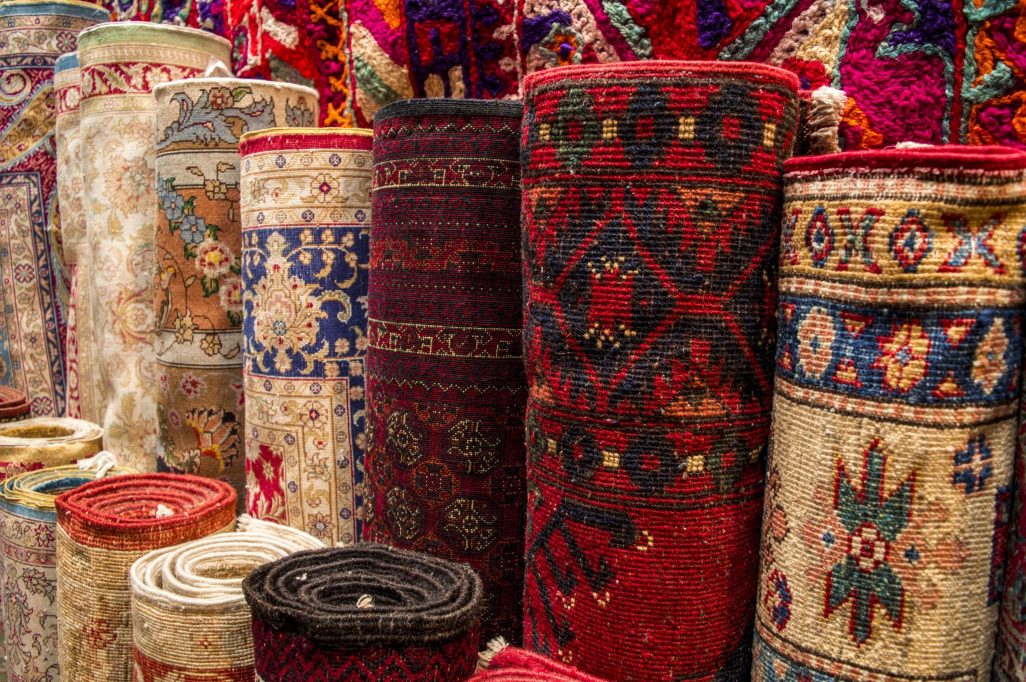
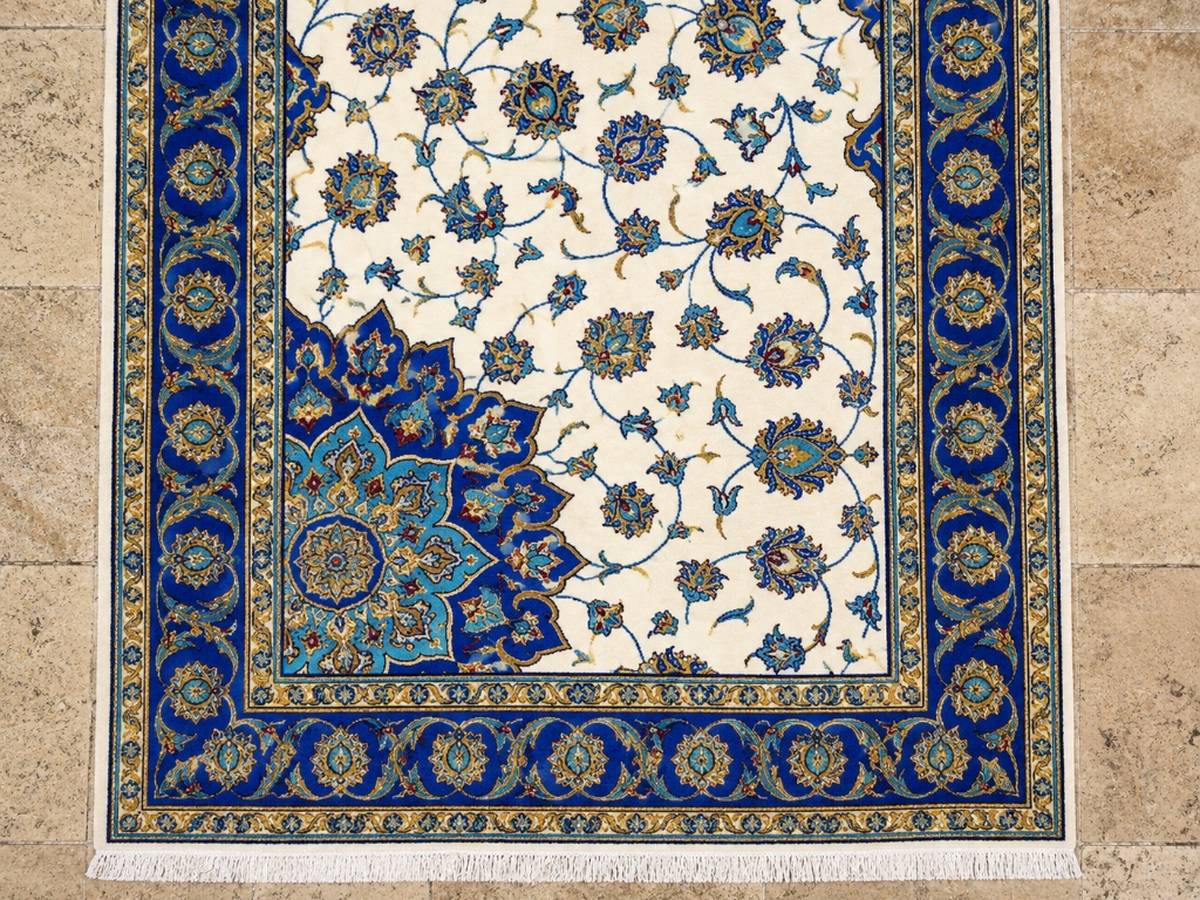
When an antique or estate rug is damaged, there are two very different ways to care for it. Conservation aims to stop the damage and keep the rug exactly as it is, with as little intervention as possible. Restoration rebuilds what has been lost, so the rug is whole and usable again. Museums mostly conserve. Families who want to live with a rug, walk on it and pass it on mostly restore. Many rugs need a little of both.
This guide explains the difference, what "museum-quality" work really means, and how to decide what your rug needs.
What conservation means
Conservation is about stabilizing a rug, not making it look new. A conservator's first rule is to do no harm and to change as little as possible. Typical conservation work includes:
- Careful cleaning to remove soil and residue that damage fibers over time.
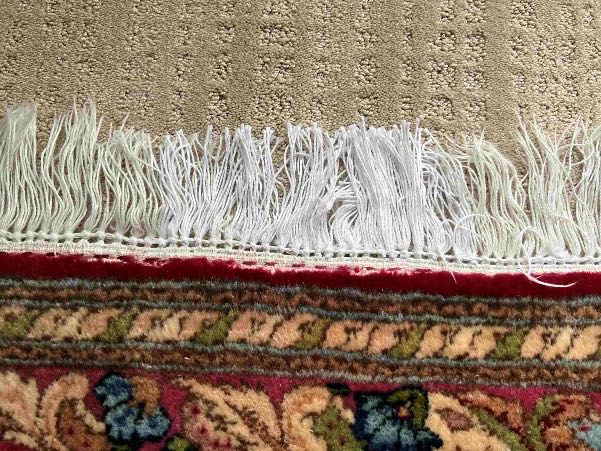
- Stabilizing weak areas, for example by securing loose ends, edges and splits so they cannot spread.
- Supporting fragile areas so they can be handled, displayed or stored without further loss.
- Recording the rug's condition so its history is documented.
Conservation leaves missing areas missing. Its goal is to slow the rug's aging and preserve the evidence of its history, including its wear. That is right for a rug that will hang on a wall, sit in a collection or be studied, and for a rug so fragile that rebuilding would put the original at risk.
What restoration means
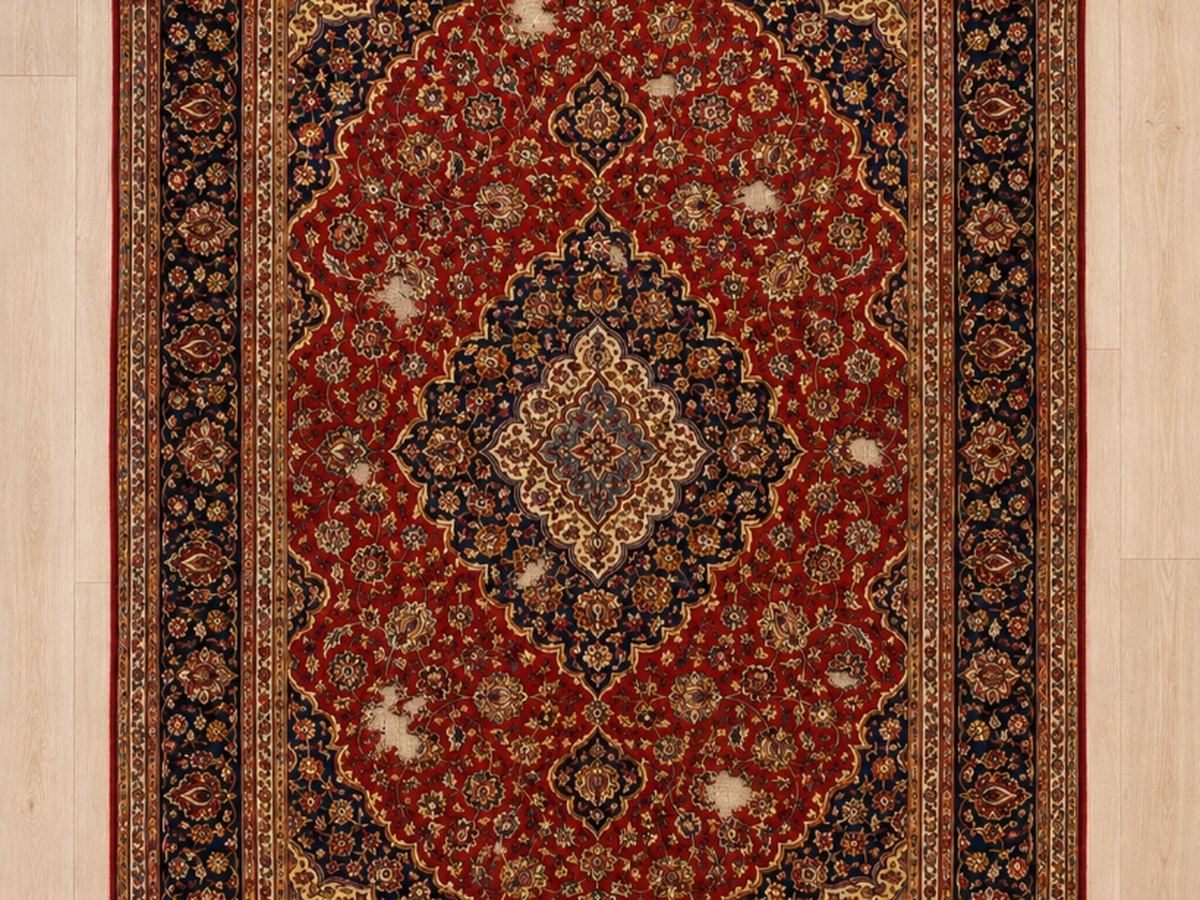
Restoration goes further: it rebuilds what has been lost. Missing pile is knotted back in, holes are rewoven from the foundation up, lost fringe and end rows are rebuilt, and worn sides are rewrapped. Done well, a restored rug can return to daily use on the floor, which conservation alone does not aim for.
Our Oriental rug restoration and repair work includes traditional pile reweaving, fringe reconstruction and overcasting, moth damage and hole restoration, and color conservation and dye matching.
What "museum-quality" restoration means
"Museum-quality" is often used loosely. In practice, it means restoration that follows the same respect for the original that conservation does: the repair must match the rug so closely, in materials and in structure, that it protects the rug's integrity and value rather than disguising damage.
At Noor, restoration follows Mo Nooraee's Ten Rules of Authentic and Seamless Restoration. In short:
- Only wool from the same region where the rug was woven is used.
- The wool is hand-spun, as the original was.
- The wool is dyed in organic solutions, as the original was.
- For every color, several shades of the same dye are spun together, to give the repair the same patina of age as the rest of the rug.
- The same knot as the original weave, Turkish or Persian, is used.
- The thickness of the yarn, its number of plies, is identical to the original, so the pile does not stand higher or lower.
- Any flaw, mis-weaving or incomplete motif woven by the original weaver is preserved.
- No cosmetic work is done that would change the integrity of the rug.
- Nothing is done to make the rug look younger. Age is of high value in an old rug.
- The same tools the Persian weavers have used for centuries are used for the work.
Rules 7, 8 and 9 are where restoration and conservation meet. A good restorer does not "improve" a rug, correct the weaver or brighten its colors. The aim is a rug that is whole again and still honestly itself. You can read why small irregularities matter in Beautiful "Flaws" in Persian Rugs, and why matching wool matters in our article on mountain wool.
Conservation, restoration or both?
- It will hang on a wall or be displayed, and it is fragile: conservation (cleaning, stabilizing and support).
- It will be used on the floor: restoration (rebuilding lost pile, ends and sides).
- It has loose ends or fraying sides, but nothing is missing yet: a modest repair to stop the damage, the first step of either.
- It has holes or moth damage: restoration from the foundation up.
- It is valuable and old, with even wear: often a mix. Stabilize the ends and sides, and leave even wear as part of its age.
The deciding questions are how the rug will be used, how fragile it is, and what it is worth to you and on the market. A free evaluation answers all of them before any work starts.
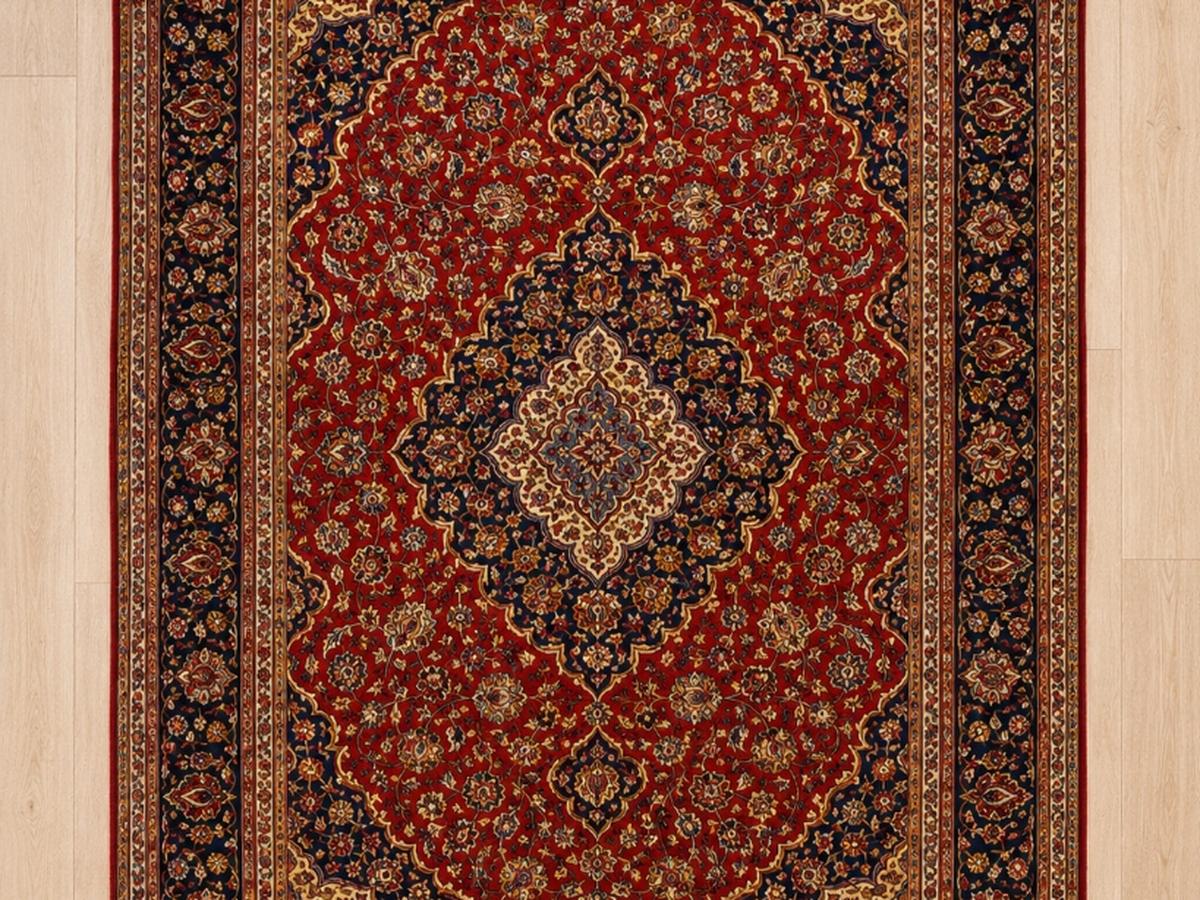
Estate and antique rugs
Estate and antique rugs often need the most careful judgment. An old rug may have earlier repairs of varying quality, a dry foundation, colors that have softened unevenly, or areas that have been cut or rebound. Before deciding what to do:
- Do not wash it at home or try to repair it yourself. Home cleaning can make old dyes run and weaken a dry foundation.
- Have its condition recorded before anything is cleaned or repaired, especially if it is part of an estate or may be insured or donated. A certified rug appraisal documents what the rug is, its condition and its value.
- Wash it professionally first where it is sound enough to wash. Cleaning shows the true extent of any damage; our 7-step hand wash starts with color testing.
- Then decide between stabilizing and rebuilding, area by area.
Our guide to inherited estate rugs covers the first steps in more detail, and our restoration gallery shows finished work.
Frequently Asked Questions
What is the difference between rug conservation and restoration?
Conservation stabilizes a rug and keeps it as it is, with as little intervention as possible. Restoration rebuilds what has been lost, such as missing pile, holes and fringe, so the rug is whole and can be used again.
What does museum-quality rug restoration mean?
It means restoration that matches the original rug so closely, in wool, dyes, knot and yarn thickness, that it protects the rug's integrity and value. It also means preserving the weaver's original irregularities and never making an old rug look younger.
Will restoration lower the value of an antique rug?
Poor restoration can, if it uses the wrong wool, dyes or knot, or changes the rug's character. Careful restoration with matching materials and the original structure protects a rug's value, and stopping damage early prevents further loss.
Should I restore or just stabilize my old rug?
It depends on how the rug will be used and how fragile it is. A rug for the floor usually needs restoration; a fragile rug for display may only need cleaning and stabilizing. A free evaluation will tell you what each area needs.
How do I get a restoration evaluation?
Email photos of the damaged areas to info@noororientalrugs.com or describe them in our evaluation form, and Mo Nooraee will assess the rug before any work starts.